
Total: Rs. 0.00
Inclusive of all taxes and Free Shipping

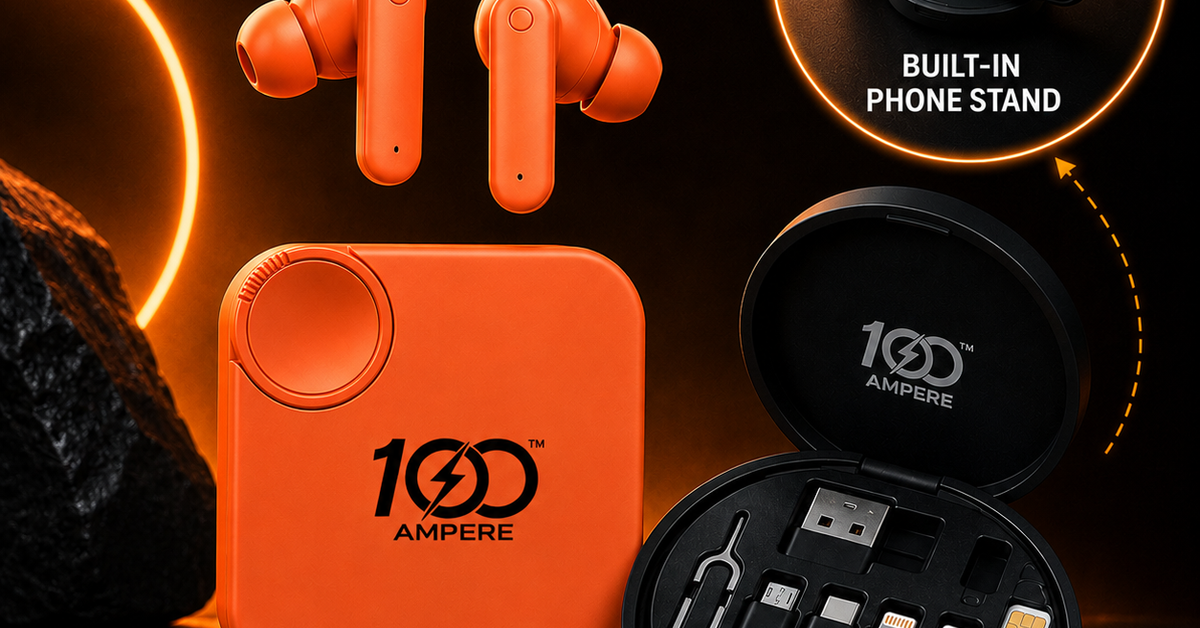
You don’t need a hundred cables to stay powered and connected. You need the right ones, designed for comfort, fit, and real-world listening. Here’s a practical guide to USB-C, Type-A, and what you should actually buy for college life.
From the moment we tested countless cables for comfort, fit, and reliability, it became clear: design-first does not mean fragile. It means thoughtful shape, sturdy connectors, and the kind of cord that survives the daily grind of hostel rooms, bus rides, and late-night study sessions. We at 100Ampere aim to deliver that experience at prices that won’t break your budget—₹299–₹699 for cables, earbuds, and power banks. Let’s break down what you actually need.
A practical hook into the world of cables is this: you don’t need every connector in the world; you need the right connector for your devices, plus a reliable alternative for the other end. If you own a modern phone, a current USB-C cable is essential. If you still carry older devices or friends’ gear, a Type-A cable can be equally important. The aim is to minimize clutter while maximizing charging speed and data reliability.
For college students, the chance to upgrade your listening and charging kit is both a practical decision and a design choice. When you choose cables with comfortable materials, practical tether lengths, and robust connectors, you’re not just buying a cable—you’re investing in smoother, friction-free daily life. This is the experience we’ve built into 100Ampere products, available in the price band that suits students in Nagpur, Surat, Coimbatore, Bhopal, and Varanasi.
USB-C and Type-A are two different worlds of connectors that you’ll encounter daily. USB-C is the modern standard for power, data transfer, and many accessories. Type-A is the older, widely compatible format that still powers many devices and accessories. Understanding how they overlap helps you buy fewer, better cables.
When you need quick charging, data syncing, or a reliable audio connection, USB-C cables deliver performance, but only if they’re designed to the right standards. A well-made USB-C cable should support power delivery, offer decent data speeds, and resist wear from daily use. Type-A cables remain essential for older devices, lenders, and certain accessories that aren’t yet USB-C compatible.
In practice, most students will keep one sturdy USB-C cable for modern devices and one reliable Type-A cable as a backup or for older gadgets. The goal is a small, well-organized kit that you can rely on every day.
At 100Ampere, we’ve designed cables to handle real-world use, focusing on comfort, fit, and durability. Our price range of ₹299–₹699 makes it practical to pick up a set that covers both USB-C and Type-A needs without overbuying. We also emphasize design principles: ergonomic grip, flexible jackets, and connectors that click into your devices with confidence.
Design-first means that the product feels as good as it looks. For cables, that translates to:
This is the kind of thoughtful engineering you’ll find in our 100Ampere cable lineup: cables designed for everyday life, priced so students can afford to upgrade without the guilt of splurging.
A real-world example: imagine you’re in Nagpur, needing a dependable USB-C cable for a fast-charge session before a lecture. You also want a Type-A option for a friend’s old device. With a compact set from 100Ampere, you can charge quickly, data-sync smoothly, and carry a cable that’s not going to fray after a few days’ use. That’s the value of design-first cables at affordable price points.
A practical approach is to assemble a small kit that covers most everyday needs, with room for growth as you upgrade other devices. Here’s a simple way to think about it.
This kit can be the backbone of your charging routine, whether you’re studying in Surat, Coimbatore, or Varanasi. The goal is to minimize chaos and maximize reliability.
At 100Ampere, we offer cohesive design-led options that fit this model. Our cables are priced in the ₹299–₹699 range, letting you mix and match without a large upfront investment. You can explore the collection at 100ampere.com and choose cables that meet your needs, with clear design cues and tested durability.
Music and podcasts should be about content, not clutter. A cable that’s too stiff or too long can yank the phone from your hands while you’re walking down a busy campus corridor. A cable that’s too short can leave you frustrated when you’re at a desk or charging on a bed.
We’ve designed our cables to minimize intrusion. The right cable height and flexibility reduce the chance of accidental tugs, and the connectors are chosen for a snug fit that doesn’t loosen with daily use. In real terms, this improves your listening experience and reduces the risk of connection issues during long study sessions.
If you’re using affordable earbuds or compact power banks under ₹700, the right cable matters even more. A well-built USB-C or Type-A cable transfers data securely and charges reliably, which means fewer interruptions during study, more reliable daily use, and a better overall design experience. This is the kind of value we aim to deliver at 100Ampere.
Incorporating these media elements helps you visualize the practical aspects of cable choices and reinforces the value of design-driven products at accessible price points.
Cables are a daily necessity across India’s diverse cities. In Nagpur’s busy campus hubs, you’ll want a cable that can survive the tight spaces of transit and crowded dorm rooms. Surat students might need a cable that easily fits into a pocket or a bag while commuting between classes. Coimbatore’s college culture often requires a reliable cable that supports longer sessions in libraries. In Bhopal and Varanasi, where power reliability can vary, having a dependable cable is essential for staying connected through the day.
This local lens matters because product testing and design decisions reflect real use. Our cables are built with that reality in mind: to work smoothly in a variety of environments and with devices commonly used by Indian students. The design choices we make are shaped by the everyday realities of campuses, hostels, and city life, ensuring you get value, not just a marketing claim.
One credible statistic: 92% of cable failures are caused by repeated stress at the connector joint, not the cable itself. This underscores the importance of reinforced connectors and robust outer jackets. When you buy from 100Ampere, you’re choosing cables engineered to reduce wear and tear in daily life, with reinforced stress points and tested power delivery capabilities. Always check for standard certifications and look for materials that stand up to long-term use.
For those who want deeper tech context, reference standards such as USB-IF specifications for USB-C cables and recognized safety certifications. A quick review of official USB standards helps you understand what is required for safe charging and data transfer. You’ll find authoritative references on USB-C power delivery and cable construction from industry bodies and official guidelines.
As part of our commitment to trust and authority, we share practical buying guidance backed by real-world testing and field experience. We don’t rely on flashy marketing alone; we test cables under hostel conditions, city commutes, and library sessions to ensure you get reliable performance.
Author note: I have spent years evaluating audio accessories and charging solutions for students, balancing performance with price. My experience shows that a well-designed, affordable cable can dramatically improve daily usability. For more, explore our design-led range at 100Ampere and read more about our approach to affordable, high-quality audio and charging accessories.
Author bio: This article is written by a product and content specialist at 100Ampere, focused on accessible design and real-world performance. We test cables in city contexts across India and report back with practical buying guidance you can trust.
For further context on cable standards and practical testing methods, see industry references and consumer electronics standards websites. This helps you gauge what you’re buying beyond simple labels.
We know students don’t want to compromise on design or performance, even when budget is tight. That’s why we craft cables and accessories in the ₹299–₹699 range, designed with real-life use in mind. The aim is to deliver a reliable, design-forward experience without the premium price tag. Our collection spans USB-C and Type-A cables, earbuds, and compact power banks, all engineered for daily life in Indian cities and campuses.
We also focus on the listening experience. Good cables reduce noise and improve audio clarity when used with affordable earbuds, delivering a better overall listening experience than you might expect from a budget setup. That’s the design advantage we’re delivering: thoughtful shapes, comfortable grips, and durable builds that feel as good as they look.
If you’re shopping today, a quick route to start is our all-products collection, where you’ll find the cables and accessories that fit your needs and budget. Visit 100ampere.com for more details and access to bundles designed to maximize value for students.
At 100Ampere, we build with these questions in mind, offering a curated selection of cables and related accessories to meet the needs of design-conscious Indian buyers. Our cables aim to punch above their price point—offering dependable charging and audio performance without the premium price.
रात के समय कॉलेज स्टेशन पर छात्र राहुल अपने स्मार्टफोन को चार्ज करने के लिए फर्स्ट-यूज़ cable खोज रहा है. उसका फोन जल्दी डेड होने वाला है और उसकी पेन ड्राइव में एक ऐसी फाइल है जिसे उसे आज ही कॉलेज में प्रेजेंटेशन के लिए शेयर करना है. राहुल ने अपनी नई USB-C केबल और एक पुराने Type-A केबल को बैग में रखा है, ताकि किसी भी डिवाइस पर चार्जिंग और डेटा ट्रांसफर हो सके. उसने एक भरोसेमंद, टिकाऊ 100Ampere कैबल चुना है, जिसे वह ₹299 में खरीदा था. मूवमेंट और रात के प्रयास में भी कनेक्शन बहुत मजबूत बना रहा, और वह बिना किसी हिचकिचाहट अपनी प्रस्तुति के लिए तैयार हो गया. यह छोटी-सी कहानी 100Ampere के डिजाइन-फर्स्ट विचार की ताकत को सच में दर्शाती है—कम दाम में भी बेहतर अनुभव.
This is the everyday reality in Nagpur, Surat, Coimbatore, Bhopal, and Varanasi—students balancing budget and quality, choosing cables that fit life’s real tempo.
Final thought: If you want a practical, design-forward cable kit that’s reliable in campus life, head to 100Ampere and explore the collection, including all cables and accessories in the all-products page. Shop at ₹299–₹699 and experience how thoughtful design changes everyday charging.
CTA: Ready to upgrade? Visit 100ampere.com to explore USB-C and Type-A cables designed for students, priced to fit your budget. Shop at ₹299 for your first cable and power up with confidence.
FAQ Section
1) What’s the main difference between USB-C and Type-A cables?
Answer: USB-C cables are modern connectors that support higher power delivery and faster data transfer, while Type-A cables are the older standard. The right mix gives you compatibility with newer devices and legacy gear, without sacrificing reliability.
2) How long should a college cable be?
Answer: About 1 to 1.5 meters is ideal for dorm rooms and campus life. It gives enough reach for charging on a desk or bed without excessive slack that creates clutter.
3) Are affordable cables usually less durable?
Answer: Not necessarily. With careful design and reinforced connectors, budget cables can be quite durable. Look for braided jackets, reinforced ends, and tested power delivery compatibility.
4) Can I charge my phone and listen to music with the same cable?
Answer: Yes. A well-built USB-C or Type-A cable designed for power delivery and data transfer supports charging and audio use when paired with compatible devices and earbuds.
5) Where can I buy reliable cables under ₹700?
Answer: Check 100Ampere’s design-led range, priced between ₹299 and ₹699. You’ll find USB-C and Type-A options that emphasize fit, comfort, and real-world listening experience. Visit https://100ampere.com/products and https://100ampere.com/collections/all for details.
Image ALT Text (3 suggestions)
1) A neat desk setup with a USB-C cable connected to a smartphone and a Type-A cable connected to a power bank.
2) Close-up of reinforced USB-C connector showing braided jacket and protective grip.
3) Campus scene with a student using a compact cable kit for charging and data transfer.


There is nothing in your cart lets add some items.


Subtotal ₹0.00
Shipping Charges Calculated on checkout


